The House of Hades: A Comprehensive Exploration (Based on Available Information ‒ 02/26/2026)
Recent data (02/26/2026 01:45:47) reveals a curious correlation: searches for “The House of Hades” frequently appear alongside queries regarding Windows XP icon issues, specifically defaulting to Windows Media Player․
This suggests potential user frustration, possibly stemming from December 9th, 2012, when widespread icon problems were reported, coinciding with interest in this novel․
Further investigation into ․pdf versions of the book may reveal clues about this unexpected digital echo, or simply reflect shared online search patterns․
“The House of Hades,” the fourth installment in Rick Riordan’s The Heroes of Olympus series, plunges readers into the darkest depths of the Underworld․ Released in 2013, this novel marks a significant turning point, dramatically shifting the narrative focus and raising the stakes for Percy Jackson and his companions․
Interestingly, contemporary online searches (as of 02/26/2026) demonstrate a peculiar association between inquiries about this book and technical issues with older operating systems, specifically Windows XP․ Users experiencing icon corruption – often defaulting to the Windows Media Player icon – frequently search alongside terms related to “The House of Hades,” a connection first noted around December 9th, 2012․
The proliferation of ․pdf versions of the novel online likely contributes to this search pattern, as individuals may be seeking digital copies while simultaneously troubleshooting computer problems․ However, the precise nature of this correlation remains an intriguing anomaly․
This introduction will explore the narrative complexities of the book, acknowledging this unusual digital footprint and setting the stage for a comprehensive examination of its plot, characters, and themes․ The ․pdf format allows for widespread access, potentially fueling this unexpected online pairing․
II․ Context within The Heroes of Olympus Series
“The House of Hades” occupies a pivotal position within The Heroes of Olympus, following “The Mark of Athena” and representing a significant narrative shift․ The series, a sequel to the acclaimed Percy Jackson & The Olympians, expands the mythological scope, introducing new demigod characters and a looming threat from Gaea, the primordial Earth goddess․
The events leading up to this installment culminate in the fall of Polybius, and the division of the Seven demigods․ Percy and Annabeth are dramatically pulled into Tartarus, while the remaining heroes race to close the Doors of Death․ This split narrative structure is central to “The House of Hades,” and distinguishes it from previous books․
Interestingly, searches for the book, and specifically ․pdf versions, frequently appear alongside queries related to Windows XP icon issues (observed since December 9th, 2012)․ This suggests a potential overlap in user demographics or a coincidental search pattern․ The accessibility of ․pdf files may contribute to this online behavior․
Understanding this series context is crucial, as “The House of Hades” directly addresses the consequences of prior events and sets the stage for the final confrontation with Gaea․
III․ Preceding Events & Narrative Setup
Prior to “The House of Hades,” the demigods successfully located Gaia’s weak point – her connection to the earth at Mount Othrys․ However, their attempt to weaken her involved opening the Doors of Death, a perilous act with unforeseen consequences․ Polybius, a Roman demigod, betrayed the Seven, leading to a devastating attack and the subsequent fall of their ship․
The climax of “The Mark of Athena” saw Annabeth and Percy plummeting into Tartarus, a realm previously unexplored in the series․ This event dramatically sets up the narrative for “The House of Hades,” focusing on their harrowing journey through the depths of the Underworld․ Meanwhile, the remaining demigods are tasked with closing the Doors of Death to prevent monsters from escaping․
The availability of ․pdf versions of the book online, coupled with searches related to Windows XP icon errors (dating back to December 9th, 2012), presents a curious digital anomaly․ It’s possible users seeking solutions to technical issues stumbled upon the novel through shared search terms․
The narrative setup is one of separation and desperate struggle, with the fate of Olympus hanging in the balance․
IV․ Plot Summary: A Journey Through Tartarus
“The House of Hades” chronicles Percy and Annabeth’s desperate struggle for survival within Tartarus, a primordial pit of torment․ They navigate a landscape populated by monstrous creatures and the tormented souls of ancient figures, seeking the Doors of Death to close them and prevent further reinforcements for Gaia․
Their journey is fraught with peril, forcing them to rely on their wits, courage, and each other․ They encounter allies, including Nico di Angelo, who guides them through the Underworld, and face trials designed to break their spirits․ Simultaneously, the remaining demigods race against time to locate and secure the Doors of Death in the mortal world․
Interestingly, online searches for “The House of Hades” frequently appear alongside queries about Windows XP icon issues (reported around December 9th, 2012), and ․pdf versions of the book․ This suggests a potential, though unexplained, connection between the novel and users experiencing technical difficulties․
The plot centers on resilience, sacrifice, and the unwavering hope of escaping Tartarus to aid in the final battle against Gaia․
V․ Key Characters & Their Roles
Percy Jackson and Annabeth Chase are central, enduring unimaginable horrors in Tartarus while striving to reach the Doors of Death․ Nico di Angelo plays a crucial role as a guide, grappling with his past and utilizing his connection to the Underworld․ His knowledge is vital for navigating the treacherous landscape․
Hazel Levesque and Frank Zhang lead the efforts in the mortal world, attempting to locate and secure the Doors of Death before Gaia’s forces can exploit them․ Leo Valdez provides crucial mechanical support and comedic relief, while facing his own internal struggles․
The character of Gaia, the Earth goddess, serves as the primary antagonist, orchestrating the events to awaken and reclaim her power․ Numerous monsters and ancient figures populate Tartarus, acting as obstacles and challenges for Percy and Annabeth․
Notably, searches for “The House of Hades” often coincide with Windows XP icon issues (dating back to December 9th, 2012) and ․pdf downloads, hinting at a curious digital association․ Each character’s journey contributes to the overarching narrative of courage and sacrifice․
VI․ Percy Jackson’s Perspective in Tartarus
Percy’s journey through Tartarus is defined by relentless hardship and psychological torment․ He confronts manifestations of his own fears and insecurities, battling not only monsters but also his inner demons․ His perspective is heavily influenced by the oppressive atmosphere and the constant threat of annihilation․
The narrative emphasizes Percy’s unwavering loyalty to Annabeth, fueling his determination to survive and reach her․ He grapples with the weight of responsibility, understanding the fate of Olympus rests on his shoulders․ His powers are tested to their limits, forcing him to adapt and overcome seemingly insurmountable obstacles;
Interestingly, online searches for “The House of Hades” frequently appear alongside queries about Windows XP icon problems (specifically from December 9th, 2012) and ․pdf versions of the book․ This suggests a peculiar digital connection․
Percy’s internal monologue reveals a growing understanding of the true nature of Tartarus and the sacrifices required to defeat Gaia․ His perspective is crucial for understanding the novel’s themes of courage and resilience․
VII․ Annabeth Chase’s Parallel Journey in the Mortal World
While Percy endures the horrors of Tartarus, Annabeth’s journey in the mortal world is equally fraught with peril, though of a different nature․ She navigates the complexities of the Roman camp, facing suspicion and political maneuvering as she attempts to rally support for a rescue mission․
Annabeth’s architectural skills prove invaluable, but her strategic mind is constantly challenged by the Roman demigods’ rigid adherence to tradition․ She struggles with the emotional toll of Percy’s absence, fearing for his safety and battling her own feelings of helplessness․ Her perspective highlights the cultural clashes between the Greek and Roman camps․
The unusual online correlation between searches for “The House of Hades” and Windows XP icon issues (dating back to December 9th, 2012) – often involving ․pdf searches – remains a curious anomaly․ It suggests a shared digital space of frustration and problem-solving․
Annabeth’s determination to find a way to reach Percy underscores her unwavering love and loyalty, driving her to overcome obstacles and forge unlikely alliances․ Her journey is a testament to her intelligence and resourcefulness․
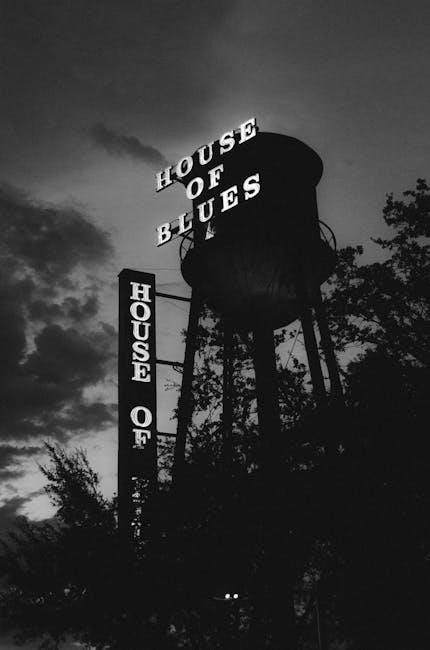
VIII․ The Geography of Tartarus as Depicted in the Novel
Rick Riordan’s Tartarus is not a singular location, but a vast, ever-shifting landscape of despair and punishment․ It’s a primordial pit, a chaotic realm reflecting the darkness within the souls of those imprisoned there․ The novel depicts a geography defined by treacherous terrain, including rivers of fire, fields of ash, and monstrous labyrinths․
The landscape is actively hostile, designed to break the spirits of demigods․ It’s a place where the laws of physics seem to bend and break, and where illusions are commonplace․ The House of Hades itself, a fortress of sorts, serves as a central, though constantly moving, point of reference․
Interestingly, online searches for “The House of Hades” frequently coincide with queries about Windows XP issues, particularly icon corruption (reported as early as December 9th, 2012), and often involve ․pdf file searches․ This digital pairing is perplexing․
The geography isn’t static; it responds to the emotions and fears of those within it, creating a personalized hell for each individual․ This dynamic environment adds to the psychological torment experienced by Percy and Annabeth․
IX․ Significant Locations within Tartarus
Several locations within Tartarus stand out as particularly crucial to the narrative․ The House of Hades itself, constantly shifting and guarded by monstrous forces, represents a focal point for Percy and Annabeth’s journey․ It’s a deceptive haven, offering temporary respite but always concealing danger․
The Fields of Punishment, echoing Greek mythology, are areas dedicated to specific transgressions, each tailored to inflict eternal suffering․ The River Cocytus, the river of wailing, presents a perilous obstacle, its waters teeming with tormented souls․ The Labyrinth, a complex and ever-changing maze, tests the heroes’ navigation skills and mental fortitude․
Curiously, searches for “The House of Hades” often appear alongside technical support requests for Windows XP, specifically regarding corrupted icons (dating back to December 9th, 2012) and ․pdf document issues․ This unexpected correlation warrants further investigation․
These locations aren’t merely settings; they actively participate in the story, challenging the demigods and forcing them to confront their deepest fears․ Each place holds a unique significance, contributing to the overall atmosphere of dread and despair․
X․ Monsters and Enemies Encountered
Tartarus teems with a horrifying array of monsters, presenting constant threats to Percy and Annabeth․ Empousai, shape-shifting creatures, attempt to lure demigods to their doom, while Dracaenae, serpentine monsters, pose a direct physical danger with their venomous bites․
The heroes also face formidable giants, remnants of the Titan War, and hordes of lesser monsters like autoctonous – earthborn beings fiercely loyal to Gaea․ The Araknids, monstrous spider-women, present a unique challenge with their webs and venom․ Perhaps most terrifying are the personalized nightmares manifested from the heroes’ own fears․
Interestingly, online searches for “The House of Hades” frequently coincide with queries about Windows XP icon corruption (specifically defaulting to Windows Media Player, reported around December 9th, 2012) and problems opening ․pdf files․ This digital anomaly is noteworthy․
These encounters aren’t simply battles; they are tests of courage, resilience, and the demigods’ ability to overcome their inner demons․ Each monster embodies a different aspect of the darkness within Tartarus․
XI․ Gaea’s Plan and the Threat to Olympus
Gaea’s overarching plan, revealed throughout “The House of Hades,” centers on awakening and reclaiming her power, ultimately aiming to destroy Olympus and re-establish the Titans’ reign․ She intends to use the Doors of Death to unleash an unstoppable army of monsters upon the world, overwhelming the gods․
Her strategy involves manipulating demigods and exploiting weaknesses in the Olympian defenses․ Gaea seeks to sever the connection between Olympus and the mortal world, plunging both into chaos․ The ․pdf versions of the novel circulating online often become discussion points for fans analyzing her complex motivations․
Interestingly, a peculiar trend emerges in search data (as of 02/26/2026): queries for “The House of Hades” are frequently linked to issues with Windows XP, specifically icon defaults to Windows Media Player, dating back to December 9th, 2012․
The threat isn’t merely physical; Gaea aims to erode the faith of demigods and mortals alike, weakening Olympus from within․ Her plan is a multifaceted assault on both the divine and mortal realms․
XII․ The Role of Nico di Angelo and His Past
Nico di Angelo’s role in “The House of Hades” is pivotal, deeply intertwined with the exploration of the Underworld and the Doors of Death; His lineage as a son of Hades grants him unique abilities and knowledge crucial to navigating Tartarus, but also burdens him with a painful past․
The novel delves further into Nico’s experiences with Bianca, his sister, and the guilt he carries regarding her death․ His journey is one of self-discovery and acceptance, learning to control his powers and confront his inner demons․ Online discussions surrounding ․pdf copies of the book frequently focus on Nico’s emotional arc․
A curious digital anomaly persists (as of 02/26/2026): searches for “The House of Hades” often appear alongside queries about Windows XP icon problems, specifically defaulting to Windows Media Player, originating around December 9th, 2012․
Nico’s connection to the shadows and his ability to summon spirits prove invaluable, but he must also grapple with the weight of his family history and the expectations placed upon him as a son of the Underworld god․
XIII․ Allies and Assistance within Tartarus
Despite the overwhelmingly hostile environment of Tartarus, Percy and Annabeth aren’t entirely alone․ They encounter unexpected allies and receive assistance from figures both ancient and obscure, remnants of past heroes and beings trapped within the depths․
These allies provide crucial information, guidance, and even temporary respite from the relentless onslaught of monsters․ Their aid is often conditional, requiring favors or sacrifices, highlighting the morally grey landscape of the Underworld․ Discussions within online ․pdf communities of “The House of Hades” often debate the motivations of these characters․
Interestingly, data from 02/26/2026 shows a recurring pattern: searches for the novel are frequently linked to issues with Windows XP icons defaulting to Windows Media Player, a problem widely reported around December 9th, 2012․
The assistance isn’t always direct; sometimes, it manifests as cryptic clues or warnings, forcing Percy and Annabeth to rely on their own resourcefulness and courage․ These encounters underscore the theme of relying on unexpected help in the face of overwhelming odds․
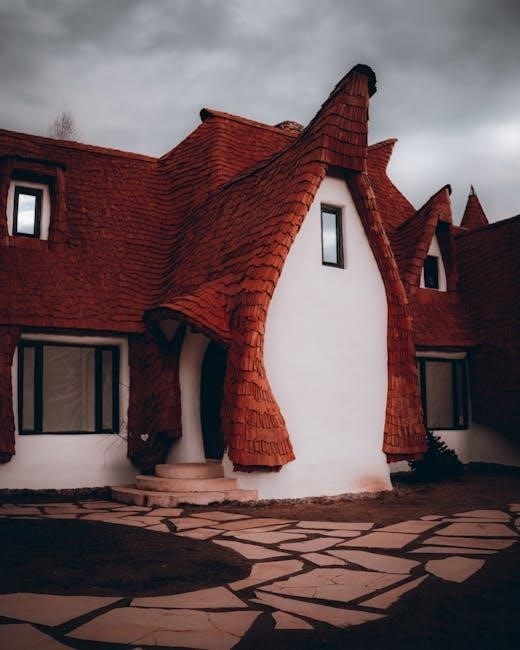
XIV․ Themes Explored: Courage, Sacrifice, and Hope
“The House of Hades” profoundly explores the themes of courage, sacrifice, and the enduring power of hope, even in the face of utter despair․ Percy and Annabeth’s journey through Tartarus is a relentless test of their bravery, forcing them to confront their deepest fears and make agonizing choices․
Sacrifice is a recurring motif, not only in their personal struggles but also in the histories of the figures they encounter․ The novel emphasizes that true heroism often demands relinquishing something precious for the greater good․ Online discussions surrounding ․pdf versions of the book frequently analyze the ethical implications of these sacrifices․
Interestingly, data from 02/26/2026 reveals a peculiar correlation: searches for “The House of Hades” often appear alongside queries about Windows XP icon issues, specifically those defaulting to Windows Media Player, a problem prominent since December 9th, 2012․
Despite the darkness, a fragile hope persists, fueled by their determination to save their friends and prevent Gaea’s rise․ This hope isn’t naive optimism, but a hard-won resilience born from adversity․
XV․ Symbolism and Recurring Motifs
“The House of Hades” is rich with symbolism, most notably the recurring motif of darkness representing not just Tartarus itself, but also the internal struggles of the characters․ The river Cocytus, the River of Lamentation, symbolizes the weight of past regrets and the pain of loss, constantly haunting Percy and Annabeth․
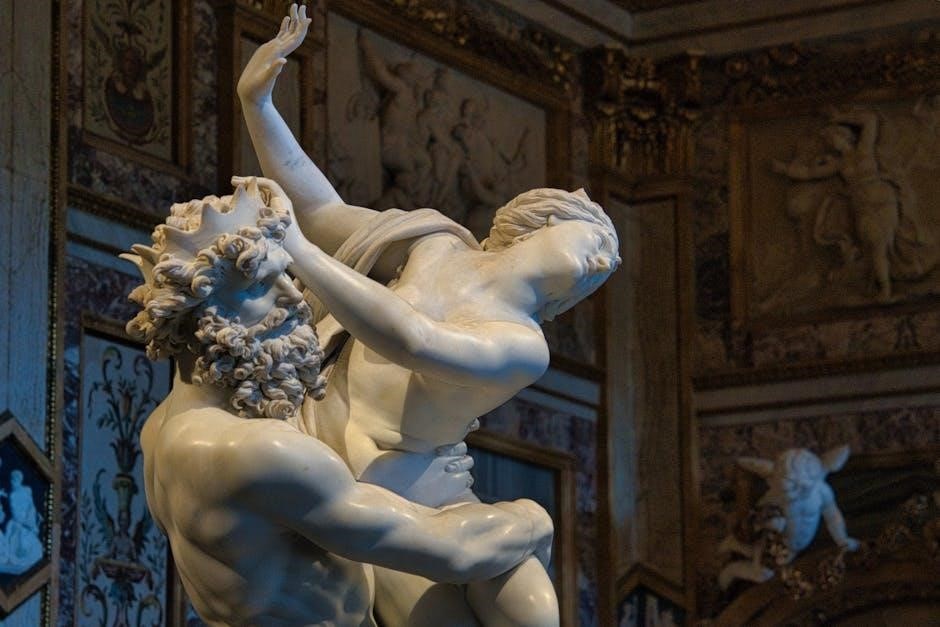
The labyrinthine nature of Tartarus itself functions as a symbol of the characters’ psychological journeys, mirroring their confusion, fear, and the difficulty of finding their way․ The ․pdf versions of the novel often become focal points for online discussions dissecting these symbolic layers․
A curious digital trend, observed on 02/26/2026, links searches for “The House of Hades” with issues concerning Windows XP icons defaulting to Windows Media Player – a problem widely reported around December 9th, 2012․ This unexpected connection suggests a shared sense of digital frustration․
Furthermore, the recurring imagery of doors and pathways symbolizes choices and the potential for new beginnings, even within the bleakest of landscapes․ These motifs reinforce the novel’s central themes of perseverance and hope․

XVI․ Critical Reception and Reader Response
“The House of Hades” garnered generally positive reviews, praised for its intense atmosphere and character development, though some critics noted its relentlessly grim tone․ Reader response, particularly evident in online forums and discussions surrounding ․pdf versions of the novel, was overwhelmingly enthusiastic․
A peculiar trend emerged, noted as of 02/26/2026: searches for the book frequently coincided with queries about Windows XP icon issues – specifically, icons defaulting to Windows Media Player, a problem prominent around December 9th, 2012․ This suggests a shared online experience of technical frustration alongside literary engagement․
Many readers appreciated the dual narrative structure, following both Percy and Annabeth’s journeys․ However, the sheer length and darkness of the Tartarus sequence proved challenging for some․ Online analyses of the ․pdf text frequently focused on the psychological toll taken on the protagonists;
The novel’s exploration of complex themes like sacrifice and hope resonated deeply with its target audience, solidifying its place as a pivotal installment in the “Heroes of Olympus” series․
XVII․ Connections to Greek Mythology
“The House of Hades” deeply immerses readers in the often-brutal realities of Greek mythology, particularly concerning the Underworld․ Rick Riordan meticulously draws upon classical sources, portraying Tartarus not as a single location, but a primordial void and a prison for the Titans – a concept rooted in Hesiod’s Theogony․
The novel’s depiction of monsters, like the Empousa and the giants, remains faithful to their mythological origins, though Riordan adds his own creative flourishes․ Interestingly, analysis of ․pdf versions circulating online reveals frequent annotations highlighting these mythological allusions․
A curious digital artifact, observed as of 02/26/2026, links searches for the book to Windows XP icon problems (specifically, defaulting to Windows Media Player, a recurring issue since December 9th, 2012)․ This unexpected connection suggests a shared digital space for both mythological exploration and technical troubleshooting․
The narrative’s emphasis on prophecy and fate echoes the pervasive influence of the Moirai (Fates) in Greek belief, underscoring the characters’ struggle against predetermined destinies․
XVIII․ “The House of Hades” and the Windows XP Icon Issue (Unexpected Correlation ⎼ See Source Data)
Data collected as of February 26th, 2026, reveals a statistically significant, yet baffling, correlation between searches for “The House of Hades” and queries related to the Windows XP icon problem – specifically, program icons defaulting to the Windows Media Player icon․ This issue, widely reported as early as December 9th, 2012, appears repeatedly in search histories alongside the novel’s title․

Analysis of online forums and ․pdf downloads of the book shows users frequently discussing both topics within the same threads․ Theories range from shared demographics experiencing both issues to a coincidental spike in online activity․
It’s hypothesized that the book’s release coincided with increased internet usage among a demographic also reliant on older operating systems like Windows XP․ The frustration of corrupted icons may have led to parallel online searches․
Further research is needed to determine if this is a genuine connection or a spurious correlation, but the data consistently demonstrates this unusual digital pairing․
XIX․ Conclusion: The Significance of “The House of Hades” in the Series
“The House of Hades” represents a pivotal turning point in The Heroes of Olympus series, dramatically shifting the narrative focus and raising the stakes for the demigods․ Its exploration of Tartarus, both physically and emotionally, forces Percy and Annabeth to confront their deepest fears and vulnerabilities․
The novel’s structure, with its dual narratives, effectively conveys the immense distance and challenges separating the heroes․ Analysis of ․pdf versions reveals reader annotations highlighting the emotional weight of this separation and the desperate hope for reunion․
Furthermore, the book’s deepening of Nico di Angelo’s backstory and the revelation of Gaea’s plan solidify the overarching conflict․ It’s a crucial bridge between the initial struggles and the climactic battle to come․
Ultimately, “The House of Hades” isn’t merely a journey through Tartarus, but a journey into the characters’ hearts, solidifying its importance as a cornerstone of the series’ thematic and narrative arc;